Risotto with a Future
Translation of the Suddeutsche Zeitung article "Risotto mit Zukunft"
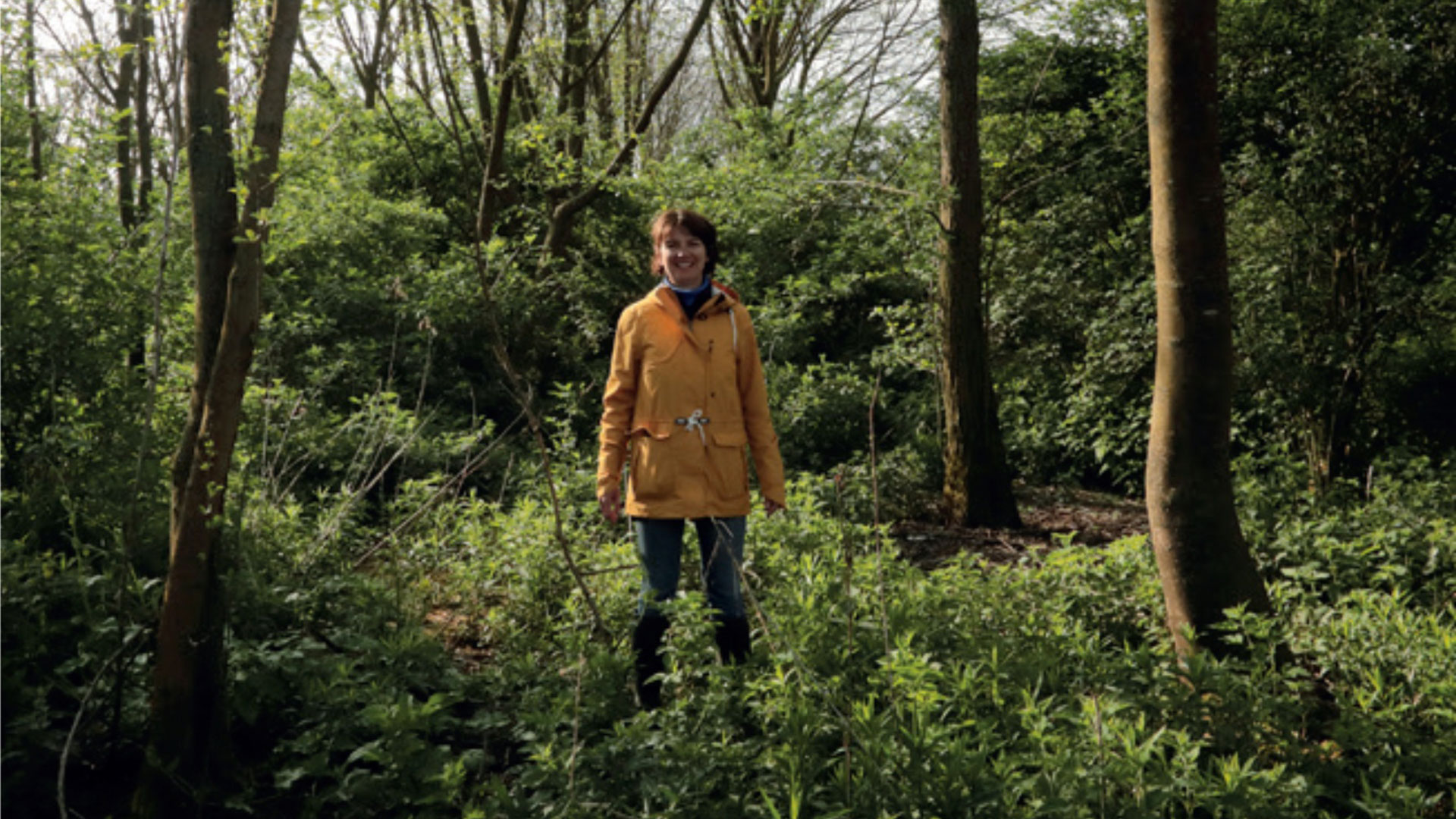
When visitors are interested in the future of rice cultivation, Alice Cerutti does not take them to the fields first. She prefers to lead them into the woods. Or better yet, into the Natural Wetlands. There, she says, one understands much more.
The woodland—still young—is reached by walking along a dirt path lined with lilies and daisies. Cerutti, petite, with dark bobbed hair, speaks without pause. “If I go too fast, please interrupt me,” she says with a smile, only to interrupt herself enthusiastically: “Do you see the wild roses? The horsetails? They had disappeared. And look how tall the oaks are!” Then she gestures toward the endless brown fields of the Po Valley: “A forest here is unusual. Do you see any others?”
Even more unusual is the marshland, which begins almost behind the farmhouse and which Cerutti calls an “oasis”: newly created wet meadows, small and large ponds, reeds and tall grasses above which the rare orange butterfly Lycaena dispar flutters. From the reed beds comes the deep call of the bittern, which has returned here along with the black-winged stilt and the black-tailed godwit. “You can tell when nature is healthy,” her husband Simone Pavan will say later. “We have given back to Nature fields that had been cultivated with rice for centuries.”
Cascina Oschiena is located in the province of Vercelli, between Turin and Milan. It is one of the oldest rice farms in Italy: for over 500 years, famous varieties such as Carnaroli and Arborio have been grown here. Since 2008, when Cerutti and Pavan took over the farm, it has probably also been the most unconventional. In their effort to focus on sustainability, they do almost everything differently from others—becoming a model in the process.
They have planted more than 10,000 trees and renaturalized about a third of their 110 hectares, creating 25 hectares of wetlands in collaboration with the University of Turin and the Italian ornithological association. They have introduced green manure crops, and 1,200 sheep graze on grasses and legumes before they are plowed under to enrich the soil. They have restored buildings, rice paddies, and storage facilities.
“To do what we do, you have to be a little crazy,” says Cerutti. But, Pavan emphasizes, everything is connected: the quality of a food product is not measured only by its taste, but also by the conditions under which it is produced.
The Water Issue
When talking about rice and sustainability, the discussion quickly turns to water. Lombardy and Piedmont produce 50% of Europe’s rice supply. The system depends heavily on the melting of Alpine snow. In 2022, the worst drought in the past 200 years occurred: 26,000 hectares were lost; for Carnaroli, losses reached 50%. The media spoke of a “risotto crisis.”
Traditional rice must remain submerged under about 10 cm of water between May and September. Some farmers are switching to corn or to so-called “dry” rice, which germinates without initial flooding. But many experts fear this could worsen drought conditions, because the traditional system helps recharge groundwater reserves.
The “Ovest Sesia” consortium regulates irrigation through 9,000 km of canals. Flooding the fields allows water to slowly infiltrate the soil and replenish underground reserves.
The renaturalization of Cascina Oschiena also helps offset rice’s relatively poor CO₂ footprint. Today, the farm is an EU-certified protected area.
Historic Varieties
While many farmers adopt new high-yield varieties, Cerutti and Pavan cultivate historic varieties such as Carnaroli Classico and Arborio Classico, which produce up to 40% less but are more resilient and superior in quality. Only 1% of cultivated land still grows Carnaroli Classico.
In their farm shop, they focus on direct sales. They offer premium whole-grain varieties such as red Granato or black Ebano, the aromatic Apollo Aromatico, and Selenio for desserts and sushi.
In the evening, during a tasting at the Posillipo trattoria, the chef praises the cooking stability of the historic Carnaroli: the core remains firm while absorbing flavors like no other.
“There are rules,” says Posillipo, “but in the end, a risotto can only be as good as the farmer who grew the rice.”